
At Wintermar, sustainability is integral to our mission of delivering high-quality marine support services, underpinned by a strong commitment to safety, operational excellence, and responsible corporate behaviour. Our ESG-aligned approach ensures transparency and accountability across every facet of our operations.
Sustainability & Responsibility at Wintermar
Sustainability - Driving Long-Term Value with Integrity
_bg_removed.png.png)
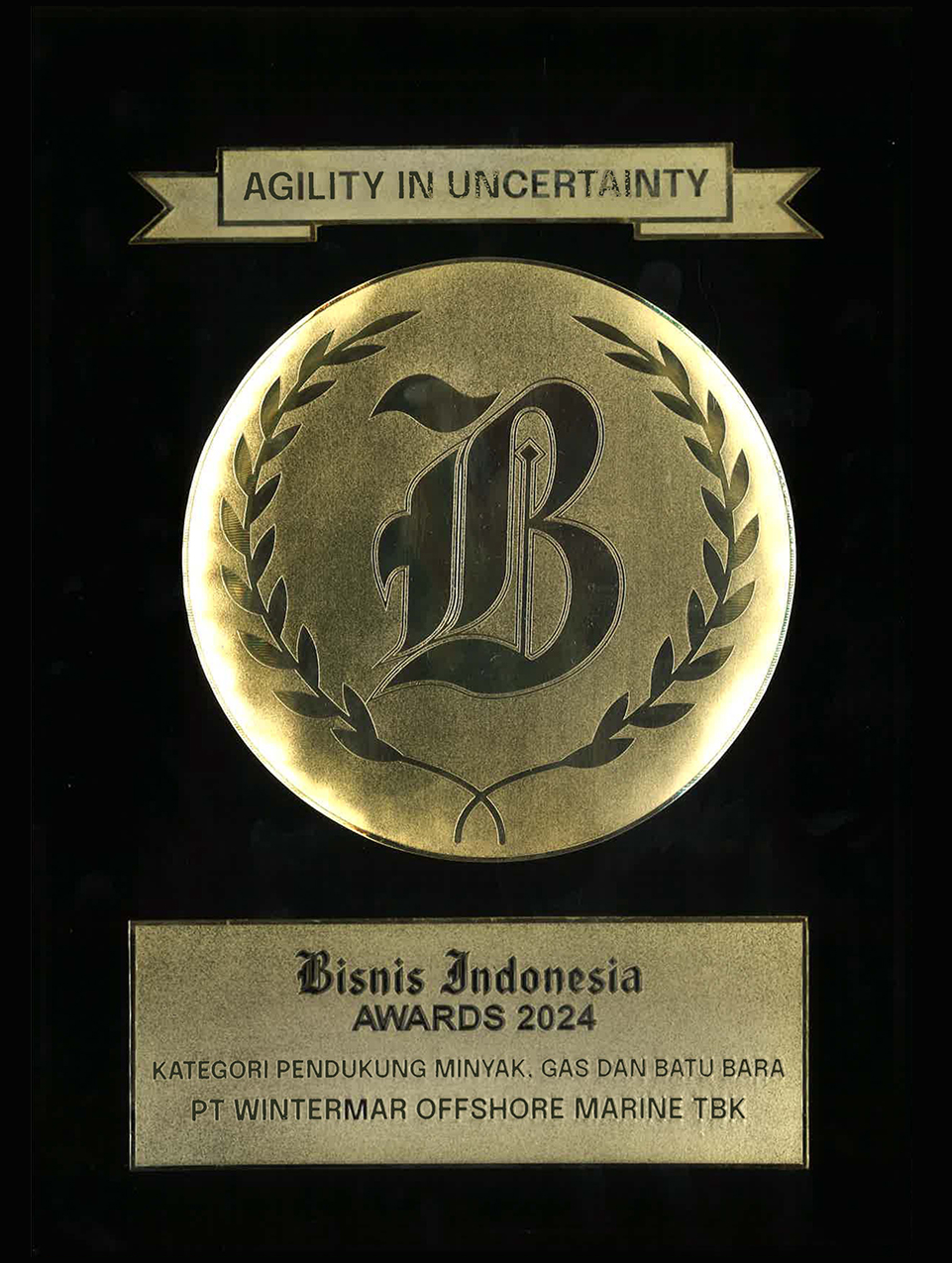
Bisnis Indonesia Awards 2024
Celebrating our win in the Supporting Sector for Oil, Gas & Coal — recognising excellence and resilience in offshore marine services.
Celebrating our win in the Supporting Sector for Oil, Gas & Coal — recognising excellence and resilience in offshore marine services.
Katadata ESG Index Awards 2024
Proud Overall Winner in the Transportation & Logistic Sector for leadership in sustainability and ESG performance.
Proud Overall Winner in the Transportation & Logistic Sector for leadership in sustainability and ESG performance.
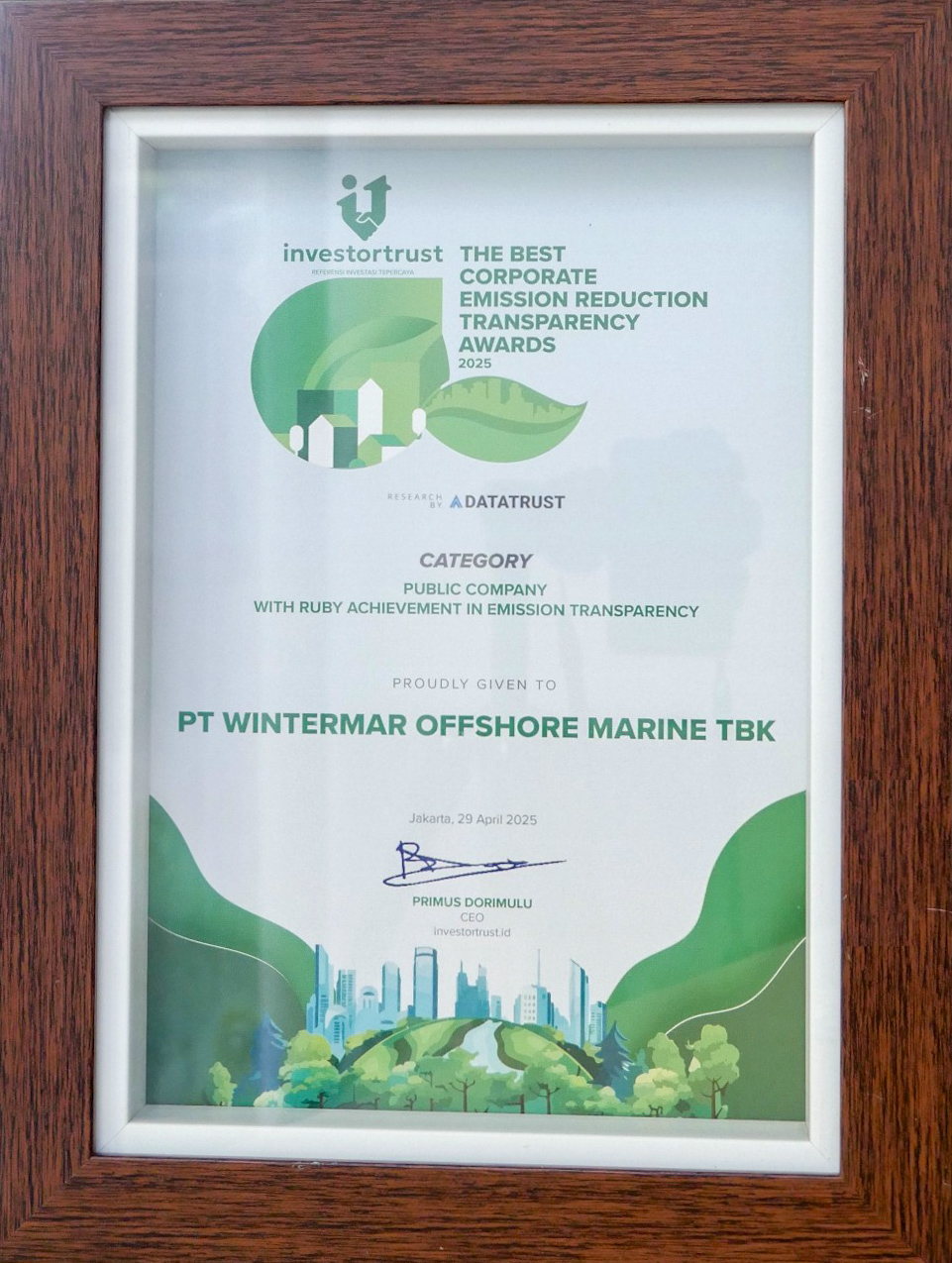
InvestorTrust Award 2025
Awarded the Ruby Achievement for Emission Transparency — showcasing our commitment to low-carbon progress and industry leadership.
Awarded the Ruby Achievement for Emission Transparency — showcasing our commitment to low-carbon progress and industry leadership.
Sustainability Policy
Wintermar is committed to sustainable development that safeguards the environment for future generations, while delivering value through responsible marine operations. Our approach is anchored in 3 pillars: People, Planet, and Profits.
People
Quality, Safety and Inclusion
- Train and develop skilled, high-quality crew and employees
- Prioritise safety at every level to achieve zero incidents
- Adopt best practices in working with suppliers and partners
- Respect human rights and maintain a zero-tolerance policy on harassment or discrimination
PLANET
Environmental Responsibility
- Reduce carbon emissions and promote energy efficiency
- Promote sustainable resource use, minimise waste, and protect the marine environment
PROFITS
Ethical Growth and Governance
- Uphold integrity and ethical conduct through our internal management systems
- Drive long-term profitability that benefits all stakeholders
- Foster a strong anti-bribery and anti-corruption culture through regular training
- Ensure ethical and transparent dealings with suppliers, clients, regulators, and partners
Contributing to the SDGs
At Wintermar, sustainability is more than a commitment, it is a core part of how we operate, grow, and care for the world around us. Guided by the United Nations Sustainable Development Goals (SDGs), we align our business with global priorities across 3 sustainability pillars: People, Planet and Profits. The SDGs adopted by the United Nations as part of the 2030 Agenda serve as a global blueprint for peace, prosperity and planetary well-being. Following a materiality assessment, Wintermar has identified 11 priority SDGs where we can make the most meaningful impact.

PEOPLE - Social Responsibility
- SDG 3 - Good Health and Wellbeing
We promote a culture of safety and wellbeing through continuous training, workplace health programmes, and initiatives that support both physical and mental wellbeing for all personnel.
- SDG 4 - Quality Education
Through our Crew Development and scholarship programmes, we build professional capacity and increase access to education for seafarers and community members.
- SDG 5 - Gender Equality
We strive to create an inclusive workplace by providing equal opportunities for leadership and development to both men and women, at sea and onshore.
PLANET - Environmental Responsibility
- SDG 7 - Affordable and Clean Energy
We reduce our environmental footprint by adopting cleaner energy sources such as biodiesel and solar power, and by transitioning to more energy-efficient land operations.
- SDG 11 – Sustainable Cities and Communities
We contribute to cleaner port environments and healthier coastal communities through our use of shore power and responsible maritime practices.
- SDG 13 – Climate Action
We continuously improve energy efficiency onboard and onshore through operational upgrades, behavioural change campaigns, and the use of renewable fuels.
- SDG 14 - Life Below Water
Our vessels are compliant with international marine regulations to protect biodiversity and prevent pollution, supporting the health of marine ecosystems.
PROFIT - Governance and Economic Sustainability
- SDG 8 – Decent Work and Economic Growth
We support maritime employment by investing in workforce development, driving business continuity, and ensuring safe and stable job opportunities.
- SDG 9 – Industry, Innovation and Infrastructure
Our operations are becoming smarter and more sustainable through digital innovations, internal systems development, and operational improvements.
- SDG 12 – Responsible Consumption and Production
We embed sustainability in governance by promoting transparency and responsible decision-making through our sustainability reporting practices.
- SDG 16 – Peace, Justice and Strong Institutions
We uphold ethical conduct through robust anti-bribery training, a whistleblowing mechanism, and a corporate culture rooted in integrity and accountability.
For more detailed information, please refer to our Sustainability Reports.
Efforts to Support A Lower Carbon Future
Wintermar remains committed to reducing our environmental impact by implementing responsible and sustainable practices across our operations. Our approach is guided by 4 key focus areas, each supported by international standards and certifications.
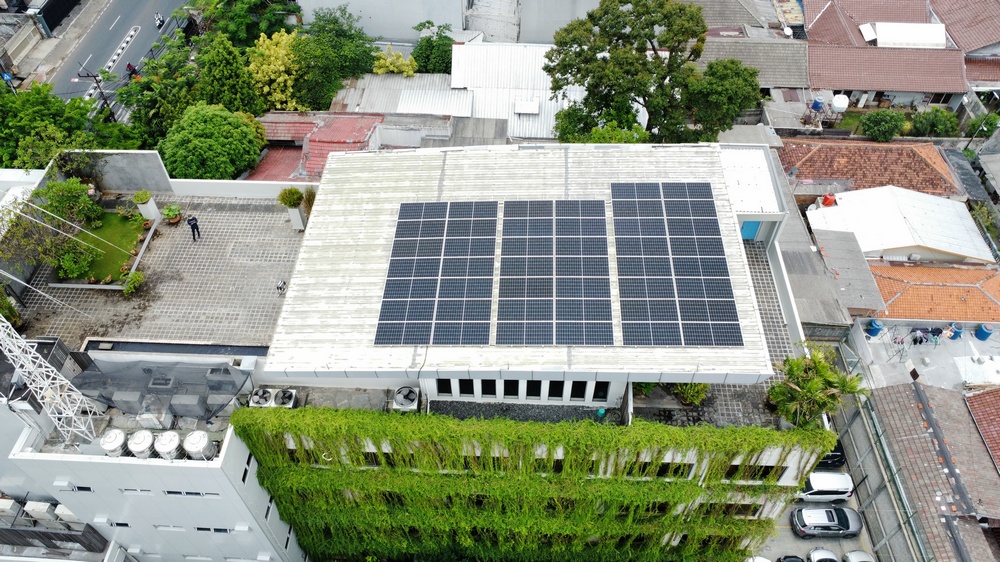
Improving Energy Efficiency
- Expanded solar energy usage at the Head Office to support cleaner energy consumption and introduced electric vehicles (EVs) in office operations as an early step in fleet decarbonisation.
- Transitioned to B40 biodiesel across the Indonesian fleet to reduce carbon emissions and align with national clean energy mandates.
- Implement shore power connections at ports, eliminating generator use during berthing and achieving full fuel savings.
- Maintain full compliance with all applicable environmental regulations, with zero violations or penalties.
- Invested in fleet digitalisation and modern propulsion systems, enabling real-time performance tracking, fuel efficiency improvements, and reduced operational waste.
Certifications:
- ISO 14001:2015 – Environmental Management System Certification
- International Air Pollution Prevention Certificate (IAPP) – Confirms compliance with MARPOL Annex VI limits on ship air emissions.
- International Energy Efficiency Certificate (IECC) – Verifies that a vessel meets IMO energy-efficiency standards to cut greenhouse-gas emissions.
- Ship Energy Efficiency Management Plan (SEEMP) – Embedded into vessel operations

Emission Reduction
- Energy optimisation measures seek to reduce Scope 1 and Scope 2 GHG emissions.
- Maintaining fuel efficiency through planned maintenance and passage planning.
Certifications:
- International Energy Efficiency Certificate (IECC) – Demonstrates carbon efficiency across fleet
- IOPP (Oil Pollution Prevention Certificate) – Ensures safe fuel/oil practices and spill prevention
- IOPP NOx Certificate – Prevents pollution from nitrogen oxide emissions

Waste and Water Management
- Promote waste reduction and proper disposal through third-party certified disposal providers to reduce pollution.
- Ensure segregation and management of hazardous and non-hazardous waste in line with ISO-certified procedures.
- Reduce waste through bulk buying and digitalisation of procedures to reduce paper.
Certifications and Environmental Management Plan:
- ISO 14001:2015 – Waste and environmental management
- Garbage Management Plan (GMP) – Vessel-level operational protocol
- International Sewage Pollution Prevention Certificate (ISPP) – Confirms compliance with MARPOL Annex IV for sewage treatment and discharge.
- Ship Oil Pollution Emergency Plan (SOPEP) – Sets procedures and contacts for rapid response to on-board oil spills.
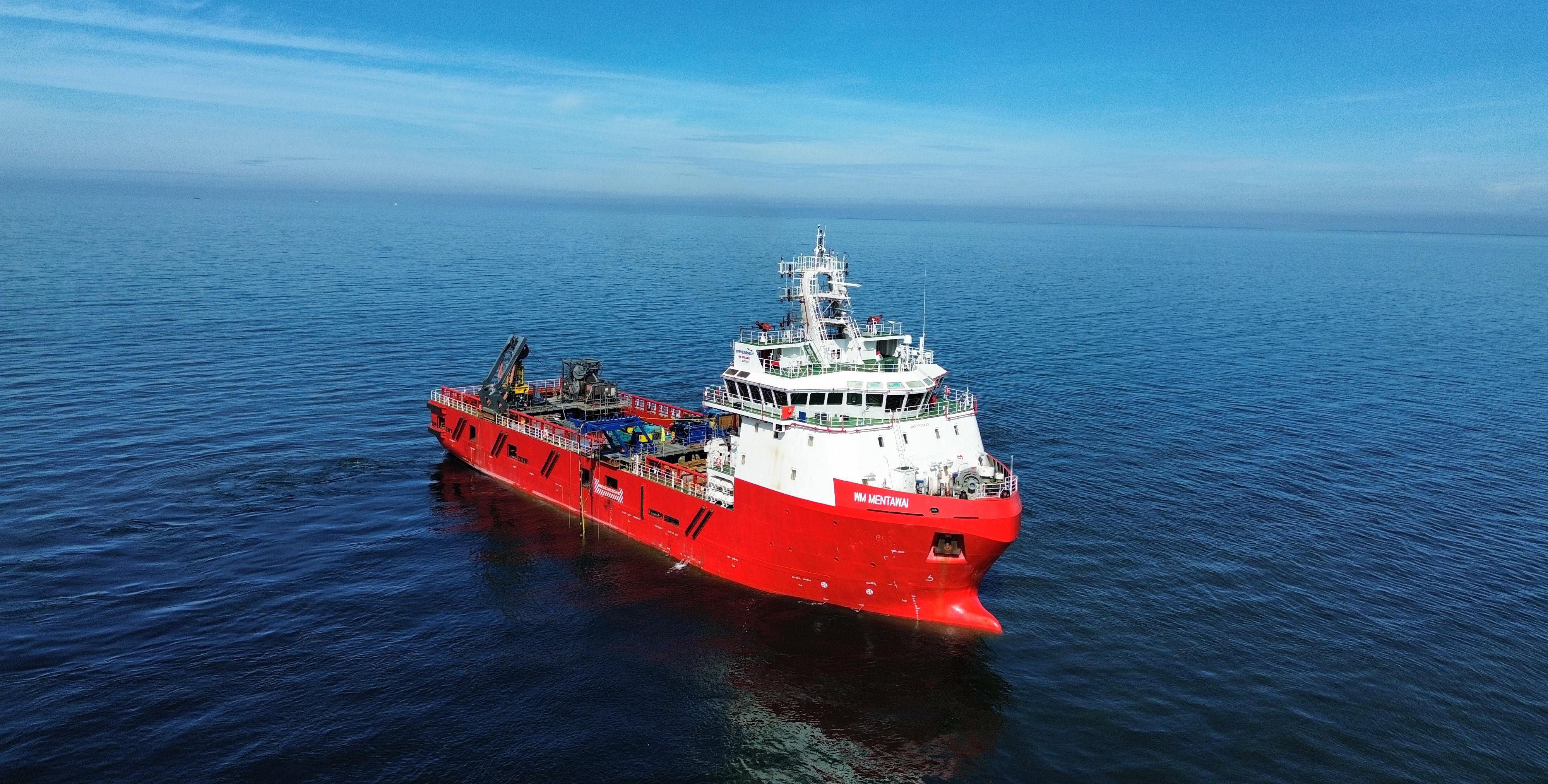
Marine Biodiversity Protection
- Comply with the Ballast Water Management Convention to avoid the spread of invasive marine species.
- Maintain a strong zero oil spill record.
- Eliminate single-use plastics and promote eco-conscious operations.
Certifications:
- Anti-Fouling System Certificate – Ensures eco-friendly hull coating systems
- International Ballast Water Management Certificate (IBWM) – Prevents invasive species transfer
For more detailed information, please refer to our Sustainability Reports.
Our People, Our Assets
Our commitment to social sustainability focuses on the development and well-being of our employees, and the engagement of stakeholders and communities around us.

Employment and Training
- Responsible Employment Framework – Clear policies uphold fair hiring, performance-based compensation, and zero tolerance for discrimination or forced labour.
- Capability Building – Shore staff and seafarers follow structured learning paths: technical up-skilling, leadership courses, external certifications, and targeted Crew Development programmes.
- Targeted Crew Development Programmes - Investment in training and education to develop young Indonesian seafarers into competent officers with professional certification and international experience.
- Career Growth & Recognition – Annual performance appraisals, transparent promotion paths, and support for reskilling and certification underpin long-term career growth.
- Competitive Remuneration & Benefits – Remuneration and benefit packages (health cover, pensions, holiday allowances) exceed statutory minimums and apply equally to male and female employees and crew.
- Well-being Initiatives – Internal training on human performance for mental health, fitness classes and subsidised sports activities, staff gym and onboard recreational activities promote healthier lifestyle at sea and onshore.
- Open Dialogue – Employee Representation Committee (REPKA) and “We Care, So Speak Up” channels empower personnel to raise concerns and suggestions directly with management.

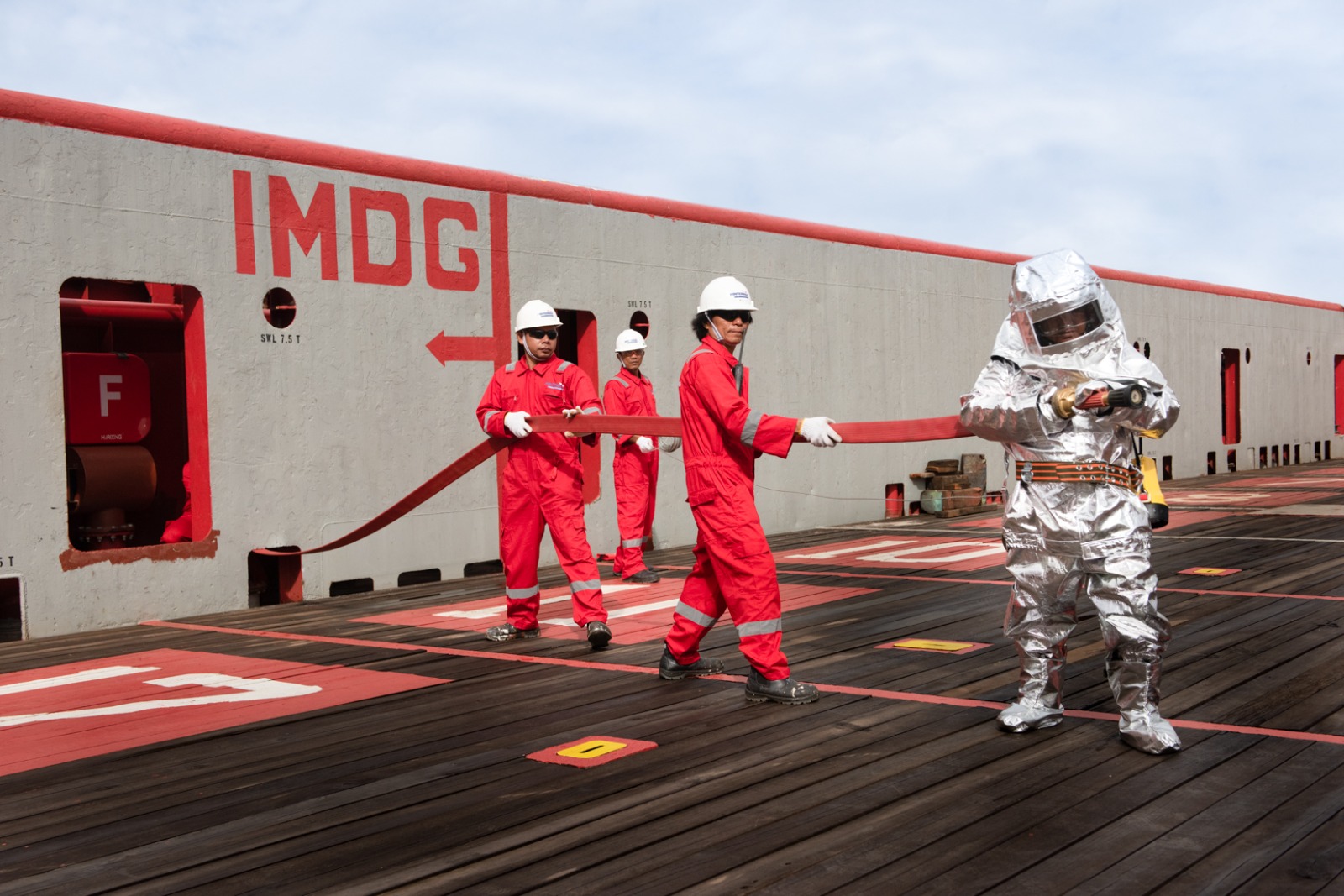
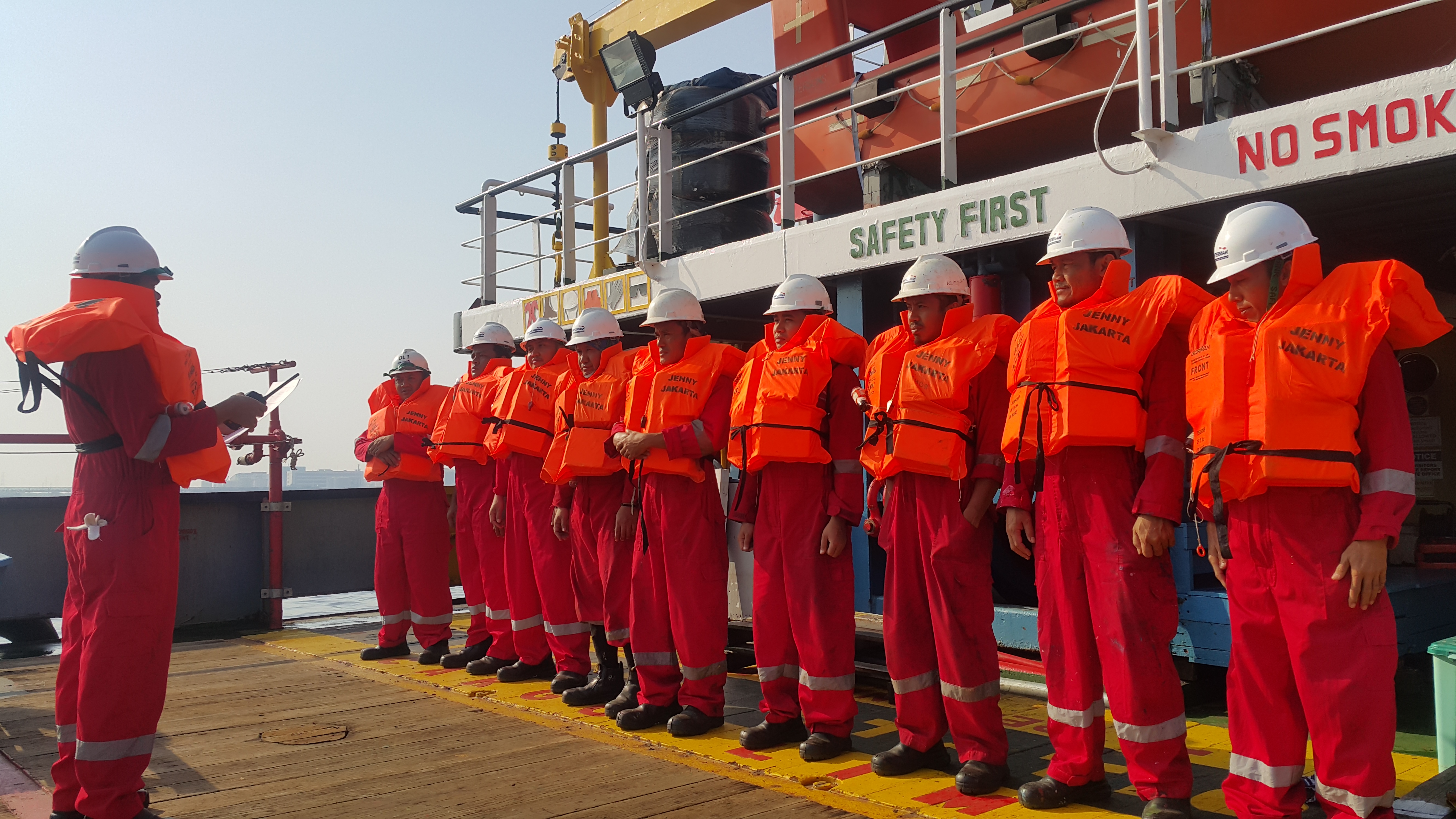
Occupational Health and Safety
- Integrated Safety Program (ISP) – Establishing a strong safety culture across all levels through Leadership visits, 12 Life-Saving Rules, reflective learning, Learning Engagement Tools and fleet-wide safety campaigns that promote prevention and continual improvement.
- Certified Management Systems – All employees, crew, contractors, and charterers are covered by a Safety Management System aligned with the ISM and ISPS Codes, as well as ISO 9001, ISO 14001, and ISO 45001 standards.
- Proactive Risk Controls – A hazard management system includes the Stop-Work Obligation, a comprehensive permit-to-work system, active vessel and office safety committees, and “You See, You Act” near-miss reporting.
- Holistic Health Care – Company-funded medical cover, annual health check-ups, the “Care for People” mental wellness programme, and P&I protection for crew safeguard both physical and mental well-being.
- Continuous Performance Monitoring – Safety performance is tracked through leading and lagging indicators, root-cause investigations, and Learning-from-Incidents reports to drive continuous improvement towards incident-free operations.
_edit.jpg)
Community Engagement
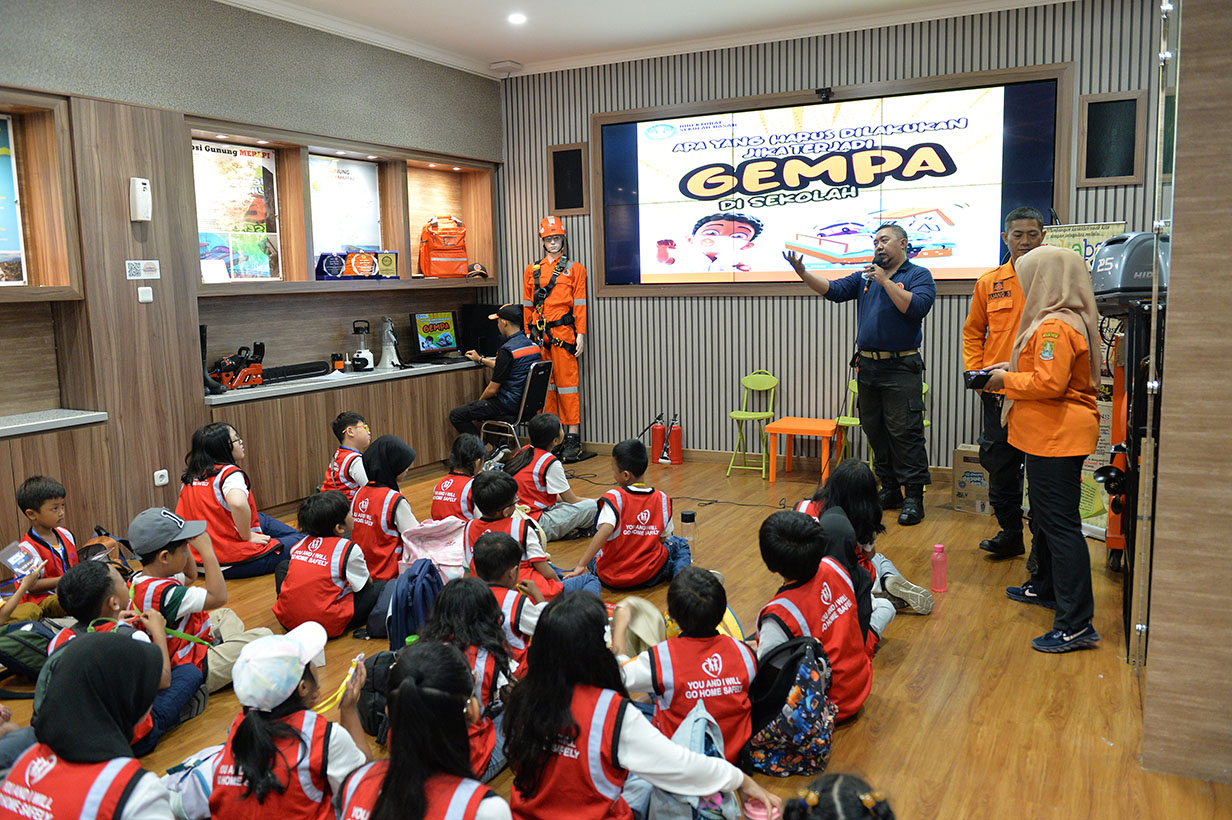
- sahabatWINS – Building a community focused on integrity for the children of our staff and crew through field trips and career talks.
- Education Support – Scholarships and the sahabatWINS College Assistance Fund ease higher-education costs for employee families and local students; early-years centres such as PAUD Desa Cemara Jaya receive ongoing assistance.
- Community Interaction - Involving the local community in our annual blood donation drive and clean up day activities in our neighbourhood.
For more detailed information, please refer to our Sustainability Reports.
Upholding the Highest Standard of Compliance
Wintermar’s governance framework ensures ethical conduct, transparent reporting, and responsible risk management across all operations. We operate under strong corporate values, with Integrity at the core of our business. We operate to the highest standards of compliance and accountability, aligned with both OJK regulations and international best practices to support long-term sustainability for all stakeholders.

Ethical Business Practices
- Zero Tolerance for Corruption: We enforce a strict Anti-Bribery and Corruption Policy, which is embedded in the Company Manual and aligned with OJK regulations and global best practices.
- Whistleblowing System: A secure and confidential reporting channel is in place, protecting employees and third parties from retaliation and encouraging accountability.
- Ethics and Integrity Training: All employees and crew, vendors, clients, and subcontractors are required to undergo mandatory integrity and ethics training.
- Identification of Corruption Risks: Proactive audits and assessments provide a framework to identify potential integrity issues, with any violations resulting in disciplinary action.
Certifications and Compliance
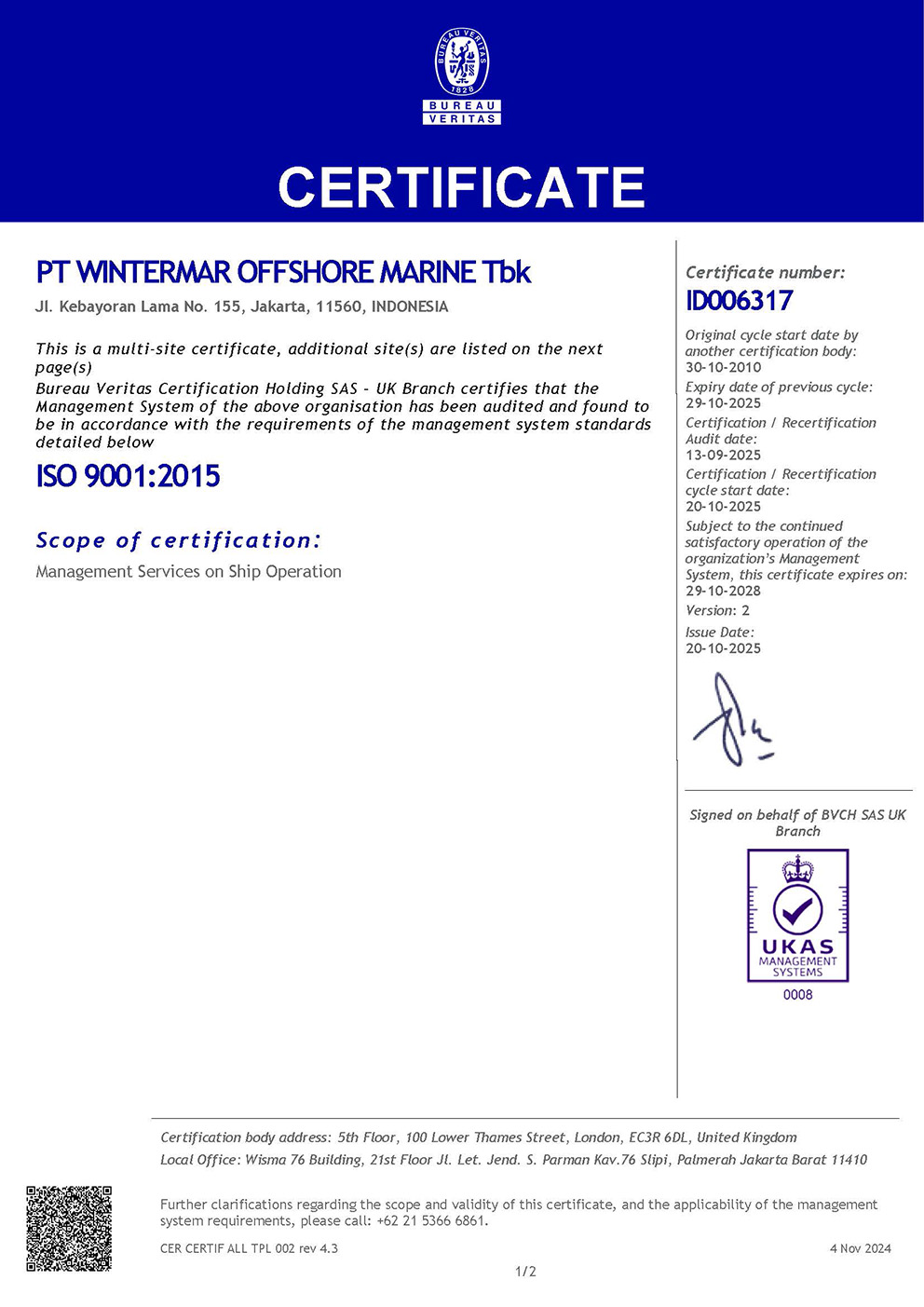
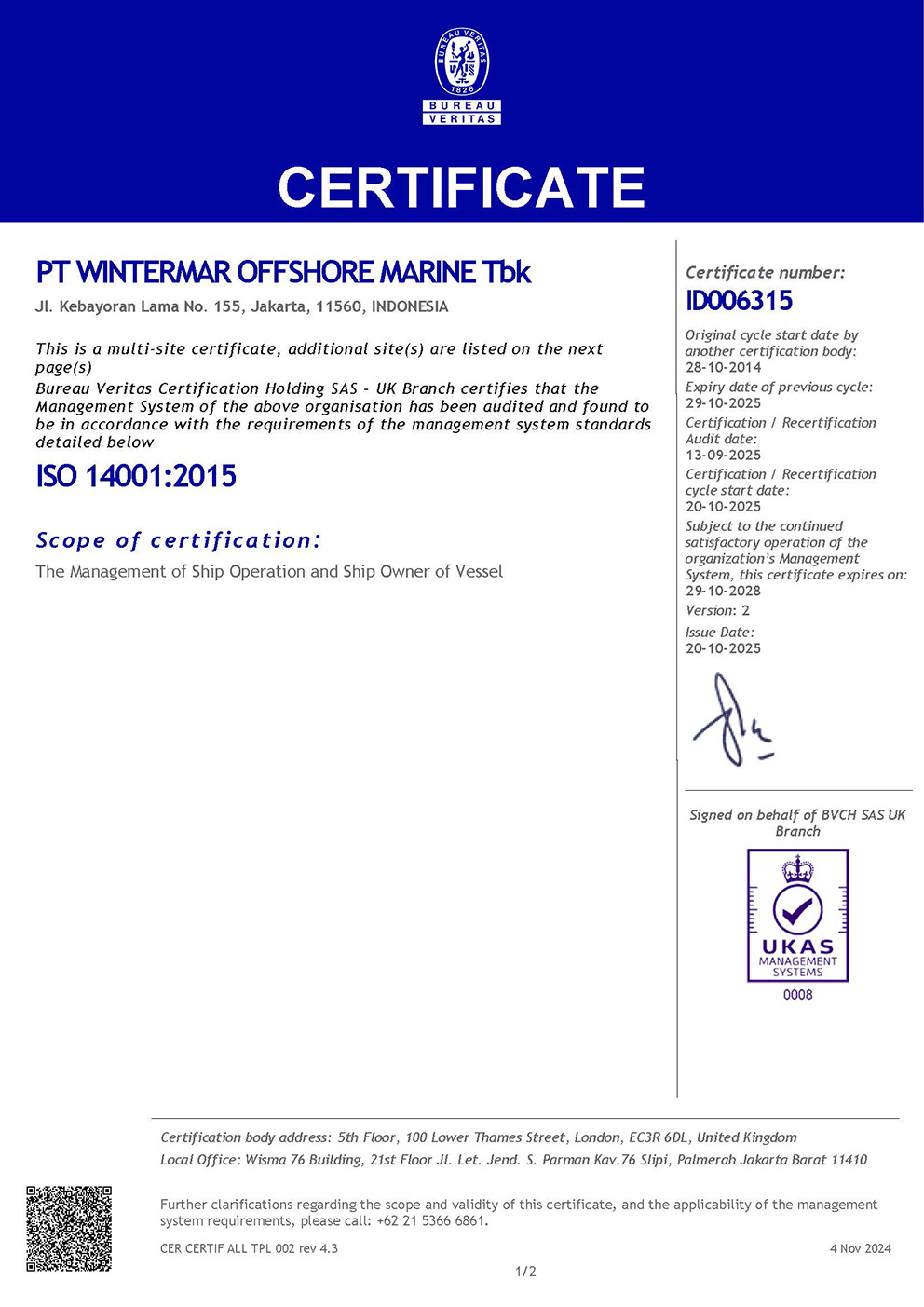
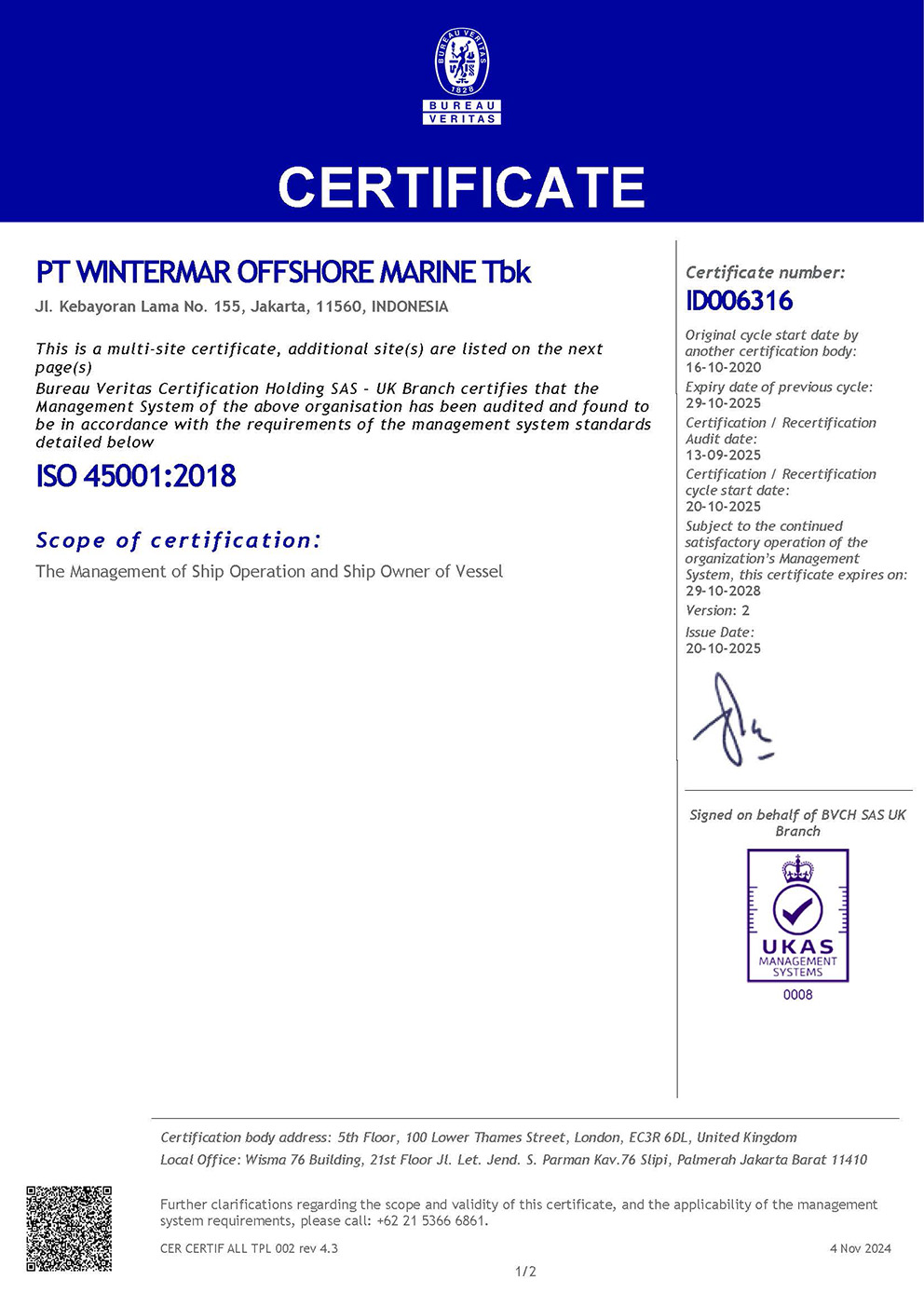
- Wintermar’s commitment to compliance is demonstrated through internationally recognised standards across quality, environment, and safety:
ISO 9001:2015 – Quality Management System
ISO 14001:2015 – Environmental Management System
ISO 45001:2018 – Occupational Health & Safety System - The Company fully complies with international maritime regulations and codes, including: ISM, ISPS, SOLAS, STCW, MLC, IMCA, and OCIMF.
- These standards are implemented across all vessels and operations, with internal audits and management reviews ensuring ongoing compliance and improvement.
Risk Management
- Oversight of risk management lies with the Board of Commissioners (BOC), Audit Committee, and Internal Audit Unit, ensuring accountability and effective governance.
- Risks are assessed for impact and probability, with mitigation actions tracked across business units.
- Sustainability-related risks—including environmental compliance, reputational exposure, social factors, and human rights considerations—are proactively identified and addressed.
Stakeholder Engagement
- Active stakeholder engagement with clients, partners, employees, and communities helps to identify materiality and ESG priorities.
- Annual Sustainability Reports are prepared in line with GRI 2021 and SEOJK16/2021, outlining key material topics and ESG progress.
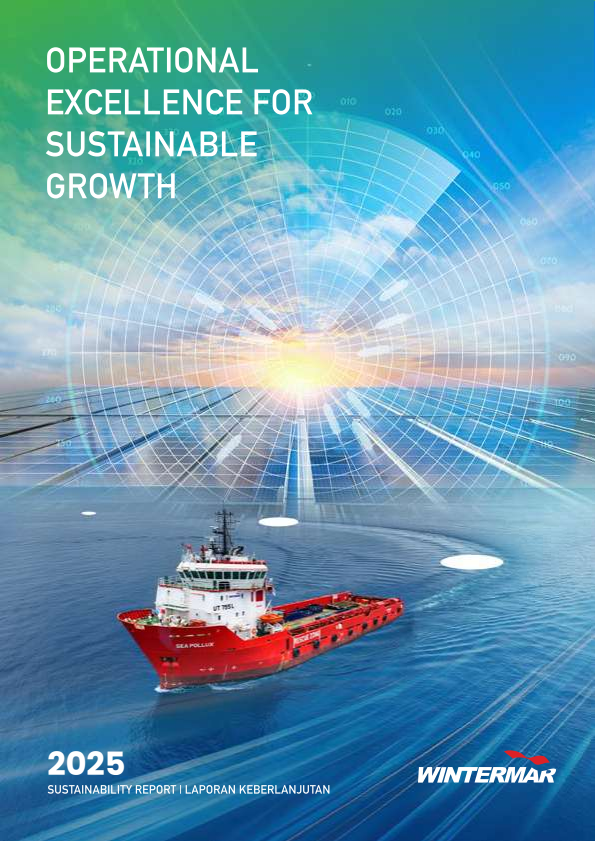
For more detailed information, please refer to our Sustainability Reports.
-1_page-0001.jpg)


.jpg)